Overview
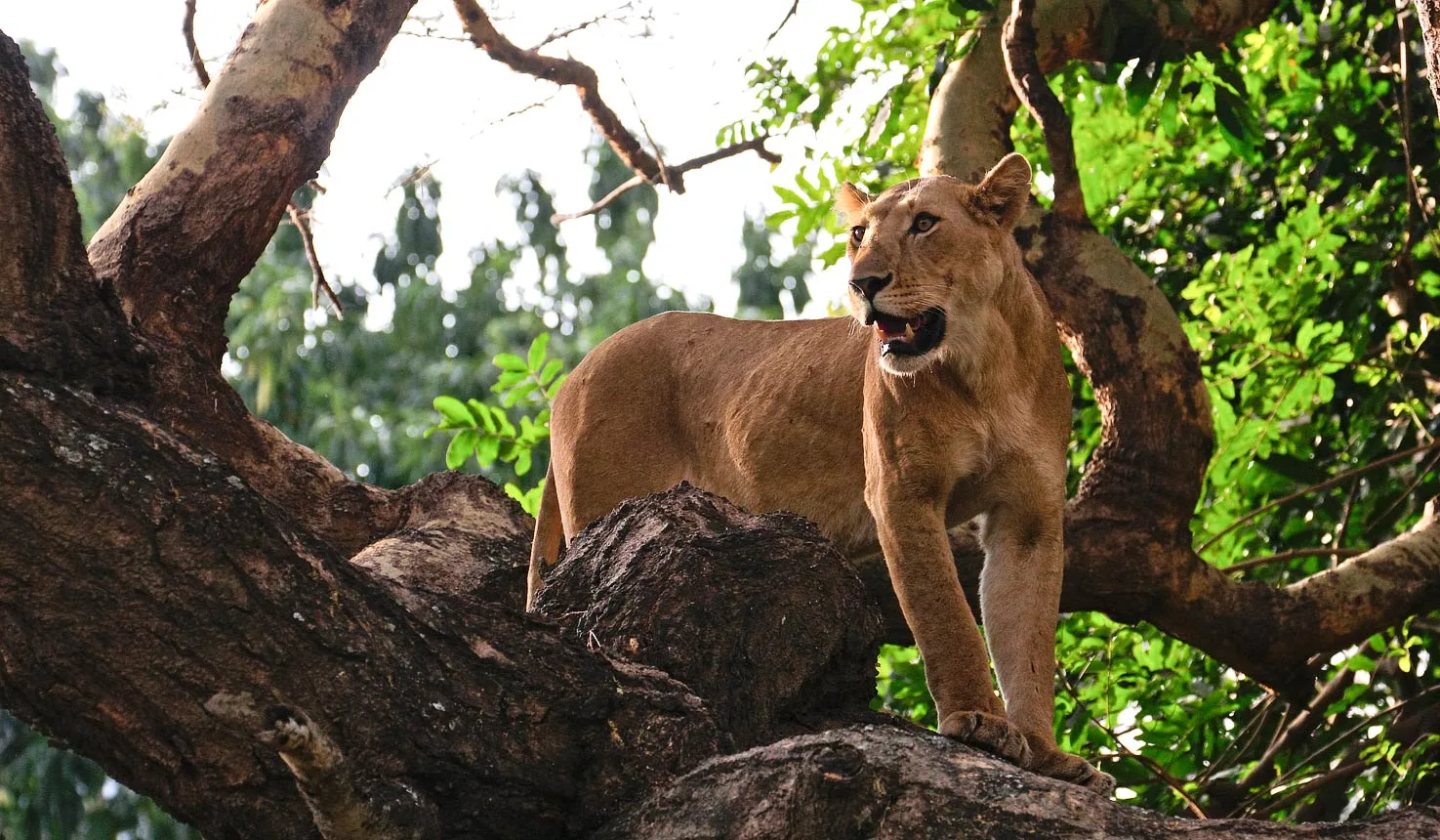
SAFARI IN NATIONAL PARKS: TARANGIRE, NGORONGORO CRATER, SERENGETI, AND LAKE NATRON The seven-day safari program covers the largest number of national parks and is undoubtedly one of the most exciting and diverse safari experiences! You have a chance to spot leopards and elephants in Tarangire, pink flamingos and pelicans in Lake Natron, where an active volcano Ol Doinyo Lengai is situated, the Ngorongoro Crater with its unique ecosystem enclosed within the walls of an ancient collapsed volcano crater, and the majestic Serengeti Valley with cheetahs and lion pride. This program is perfect for July through October, when hundreds of flamingos flock to Lake Natron to breed and the Serengeti is home to its most anticipated event of the year, the Great Migration when herds of hundreds of wildebeest cross the Mara River in the northern Serengeti. All parks are unique and beautiful in their own way, so get ready to have a good deal of impressions!
Day by day
Day 1 — Arusha – Tarangire
After breakfast (around 7:30 a.m.), your safari guide will arrive at the hotel and notify the receptionist that he is expecting you. After meeting your driver, you will travel to Tarangire National Park and be on your first safari by 10:00 AM! This park offers the opportunity to see a variety of wild Tanzanian animals (lions, buffalos, giraffes, zebras, and so on), but it is best known for its incredible number of elephants, which typically congregate near their drinking source, the Tarangire River. Because this is wild nature, the guide cannot guarantee the presence of specific wild animals, but you can be sure he will look for them.l. Additional notes: This is your first day on safari, so we ask that you please pay special attention to the national park visitor rules and our company recommendations. During the safari, it is strictly prohibited to exit the vehicle, except in specially designated areas. Violations of this rule may be accompanied by large lines for the company, including the revocation of its license. Off-road driving is also prohibited, as such behavior may cause irreparable damage to the fragile balance of the natural ecosystem. During the safari, you are allowed to smoke, but be extremely careful about how you extinguish and dispose of cigarette butts, as they are a frequent cause of fires in the savanna. In addition, we sincerely request that you not put your feet on the safari car's seats, nor sit on the back of them, because this type of behavior quickly makes the cars unusable. Thank you in advance for your understanding.
Day 2 — Lake Manyara
Early wake-up time, breakfast, and travel to Lake Manyara. The entire territory of this park is cut through with groundwater streams that provide a favorable environment for plants and, in addition, for a multitude of birds (including pink flamingos) and African forest animals. Around lunchtime, you will visit the Maji Moto hot springs and the driver will provide you with personal lunchboxes. After this stop, the safari will continue, and by evening you will be transferred to a hotel located on the edge of the Ngorongoro volcanic crater.
Day 3 — Ngorongoro Crater
On this day it is best to leave the hotel as early as possible so you can see the variety of animals that are only active during the morning hours; breakfast will be packed in lunchboxes specifically for this purpose. At 6:30 AM you will set off for Ngorongoro Conservation Area, and after about an hour you will already be inside the crater. Ngorongoro is one of the most famous and interesting of Tanzania's national parks because here you can find the greatest number of different animal species per square kilometer. You will have the chance to see buffalo, elephants, lions, wildebeests, zebras, hippopotami, and feline species such as caracals and servals. The luckiest travelers might even see a rhinoceros, an animal whose numbers are rapidly declining. By lunchtime you will arrive at the lakeside, where you will be offered lunchboxes, after which the safari will continue, ending in a few hours with a transfer to Serengeti National Park. On your travels, you will also visit a memorial dedicated to two West German researchers, Bernhard and Michael Grzimek. It is them we have to thank for Northern Tanzania National Parks having survived till our times in its current natural state. You can read their full story in the book "Serengeti Shall Not Die" which can be found on Amazon.com for USD 10–25. In the evening you will be transferred to a hotel in the center of the Serengeti Valley.
Day 4 — Serengeti Plains
After breakfast in the morning, you will safari in the eastern and southern parts of the park. The greater part of these areas is a savanna with wide open spaces, which provides a likely opportunity to see cheetah-hunting antelopes. In the evening you will be transferred to a hotel, where you will have dinner and be able to rest.
Day 5 — Serengeti Plains
After breakfast, you will start the safari by being transferred to the central part of the Serengeti (also called Seronera). Here your driver will try to find the animals you're the most interested in. Closer to lunchtime you will visit the Serengeti Visitor Centre, where you will be offered a lunchbox and provided with lots of interesting information not only about the animals’ populations but also about the history of the National Park. Also, in this area, you will be able to see hyraxes, which are the elephant's closest relatives. It is difficult to describe in detail all the animals of the Serengeti Valley, for they number in the thousands: elephants, buffalo, ostriches, giraffes, jackals, hyenas, lions, antelopes, leopards, and cheetahs—just keep your eyes peeled and enjoy the nature around you. By the evening you will be transferred to the northern part of the Serengeti and then to your hotel.
Day 6 — Serengeti Plains
Wake up, have breakfast, and start your game drive through the northern part of the Serengeti, which is in a league of its own when it comes to its landscape and diversity of fauna. On this day you can see the animals that only live in the most remote areas of the park.
Day 7 — Ngaresero - Arusha
In the morning you will head over to Ngare Sero Waterfall in the gorge of a rift valley. This trekking is very light and relaxing, but at some point, you will be crossing a river, so it is better to wear flip-flops or sandals. Then you will be transferred to Lake Natron, where you can take photos of the magnificent Ol Doinyo Lengai Volcano, walk along the shore, and stick around for lunch. Later, you will finish the safari and return to the hotel in Arusha. Note: We can organize a trek to Ol Doinyo Lengai for an extra fee. But be aware that this trekking is rather difficult and requires good physical training
Included
Two nights' accommodation at Hotel in Arusha double or triple occupancy (before and after the Safari) The first night includes breakfast Last night includes dinner & breakfast Qualified guides with mountain crew National park fees Hut/camping fees and tents Tents foam sleeping pads, cooking equipment, and (Cutlery / Crockery) eating utensils. Rescue fees (required by the National Park) Pulse oximeters First aid kit Guides, porters, cook, waiter salaries Boiled water on the mountain Airport transfers (JRO - Kilimanjaro International Airports) All meals on the mountain (breakfast, lunch & dinner) Guides, porters, waiter, cook accommodation, and entry fees on the mountain
Not included
Single rooms supplement at Hotel. Guides, Porters, Cook & Waiters tips Meals and drinks not specified Mountain equipment (eg sleeping bags) Gear for your climb, Some equipment is available for rent. See our rental price list. Car Supplement USD$145 per car for clients who go through Lemosho/Rongai/Shira Routes Items of personal nature (expenses) Emergency Oxygen Additional nights beyond the two standard hotel nights included Extra activities (waterfall tour, cultural village visit). Visa fees & travel insurance. Flight tickets.